
Reliable transport is an important part of maintaining independence and participating fully in everyday life. For many people living with disability, travelling to medical appointments, work, education, therapy sessions, or community activities can become challenging without appropriate transport support.
Access to dependable transport helps reduce barriers that might otherwise prevent people from attending essential appointments or participating in activities that contribute to their wellbeing.
It also provides greater confidence when planning daily routines and managing personal commitments.
Having suitable transport available allows individuals to focus on achieving their goals rather than worrying about how they will get from one place to another.
Reliable Transport Supports Greater Independence

Participants and families looking to understand available travel options can explore NDIS transport assistance to learn how transport support may help individuals attend medical appointments, therapy sessions, workplaces, educational facilities, and community activities while promoting greater independence and everyday participation.
Reliable transport reduces the stress associated with organising travel and helps ensure appointments are attended consistently. It also provides greater flexibility for people who may not have access to suitable public transport or personal vehicles.
When dependable transport is available, individuals can participate more confidently in activities that support their health, employment, education, and social connections.
Improved mobility creates more opportunities to live independently and remain engaged within the community.
Making Everyday Appointments More Accessible
Attending appointments on time is essential for maintaining healthcare, employment, and personal development. Reliable transport helps minimise missed appointments while allowing individuals to plan their schedules with greater certainty.
Whether travelling to specialist medical services, rehabilitation programs, training courses, or community events, accessible transport removes many of the practical barriers that can make daily travel difficult.
Families and carers also benefit from dependable transport arrangements, as they provide reassurance that journeys can be completed safely and efficiently.
Consistent transport support contributes to greater confidence and improved quality of life.
Planning For Long-Term Mobility Needs
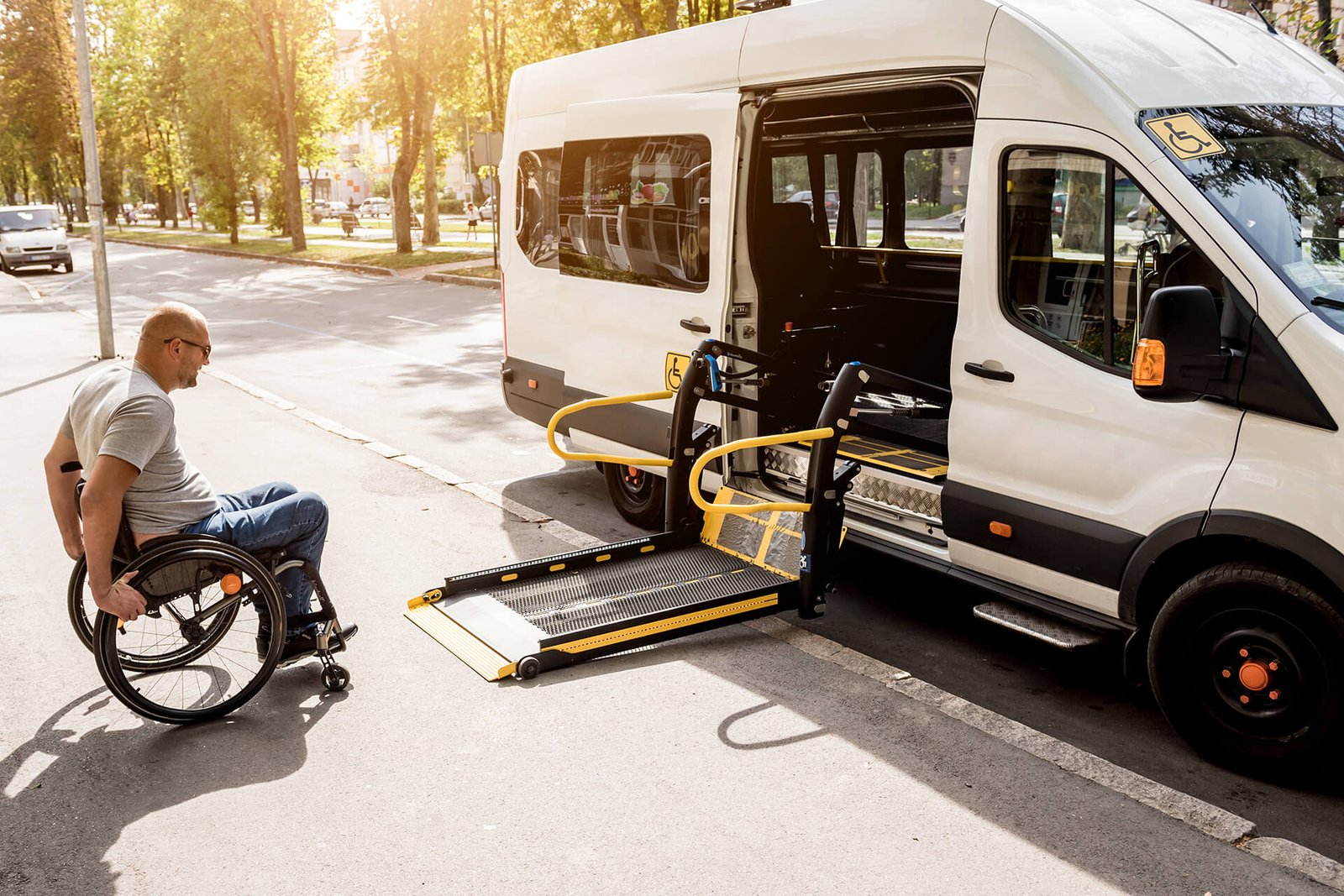
Transport needs often change as personal circumstances, employment, education, or healthcare requirements evolve. Reviewing transport arrangements regularly helps ensure ongoing support continues to meet individual goals and daily routines.
Working with experienced transport providers and maintaining flexible travel plans allows participants to adapt more easily when appointments or schedules change. Careful planning also reduces unnecessary stress and supports long-term independence.
Reliable transport forms an important part of building a more accessible and connected lifestyle.
With the right support in place, individuals can participate more fully in the activities that matter most to them.
Conclusion
Better transport support helps people with disability attend important appointments, participate in community life, and maintain greater independence. Reliable travel arrangements reduce everyday barriers while making it easier to stay connected with healthcare, education, employment, and social opportunities.
By understanding available transport options and planning ahead, individuals and their families can create more flexible daily routines that support confidence, wellbeing, and long-term participation in everyday life.