
Tom Goodhead transformed a relatively young legal practice into an international group litigation firm handling claims against some of the world’s largest corporations. His ambitious expansion strategy attracted major financial backing and significant media attention.
However, disagreements with funders, allegations concerning executive expenditure, and growing financial pressure eventually led to his removal as chief executive. Goodhead denies misconduct and disputes the claims made about his management.
From Barrister to Group Litigation Founder
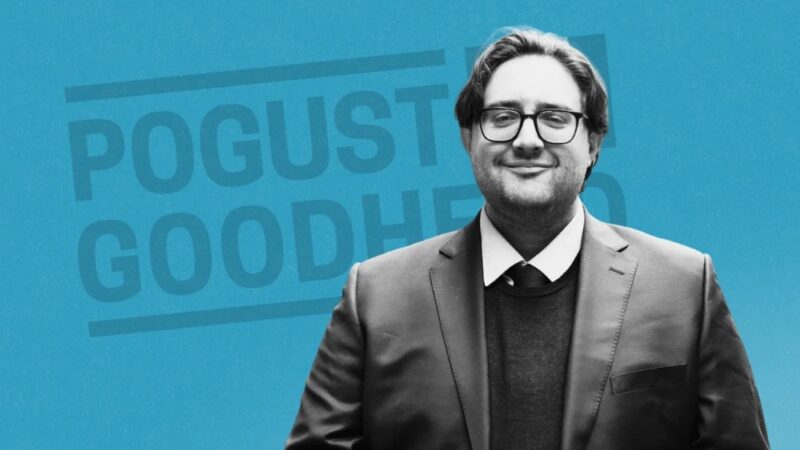
Goodhead was called to the Bar in 2010 and later focused on claimant litigation. In 2018, he established SPG Law with American class action lawyer Harris Pogust, creating the business that would eventually become Pogust Goodhead.
The firm concentrated on environmental, consumer, and human rights cases involving large numbers of claimants. Its early work included diesel emissions proceedings and claims arising from the 2015 collapse of the Fundão dam near Mariana in Brazil.
Under Goodhead’s leadership, the practice expanded into several countries and recruited hundreds of employees. He promoted an aggressive model intended to give ordinary claimants the financial and legal resources needed to challenge multinational corporations.
A major turning point arrived in 2023 when US investment manager Gramercy agreed a reported $552 million financing package with the firm. The agreement supported existing cases and helped fund further international expansion.
Financial Pressure Changed the Firm’s Direction

Pogust Goodhead’s rapid growth required considerable borrowing because group actions can take years to produce revenue. Lawyers, experts, technology systems, international offices, and claimant administration must all be financed before compensation is recovered.
Overdue accounts later revealed substantial losses and liabilities. Auditors identified material uncertainty related to future cash flow and the unpredictable timing of settlements in major cases.
Media reports also described allegations involving private aircraft, helicopters, luxury accommodation, yacht events, and corporate hospitality during Goodhead’s leadership. An investigation commissioned by the new board reportedly questioned whether spending had been properly controlled.
Goodhead denies using protected litigation money for personal expenditure. He says the disputed costs supported legitimate international work, recruitment, claimant meetings, case preparation, and business development.
He has also maintained that relevant personal expenses were properly handled through his director’s loan account. The allegations remain contested and have not been established as findings of misconduct by a court.
Removal Triggers Wider Leadership Crisis
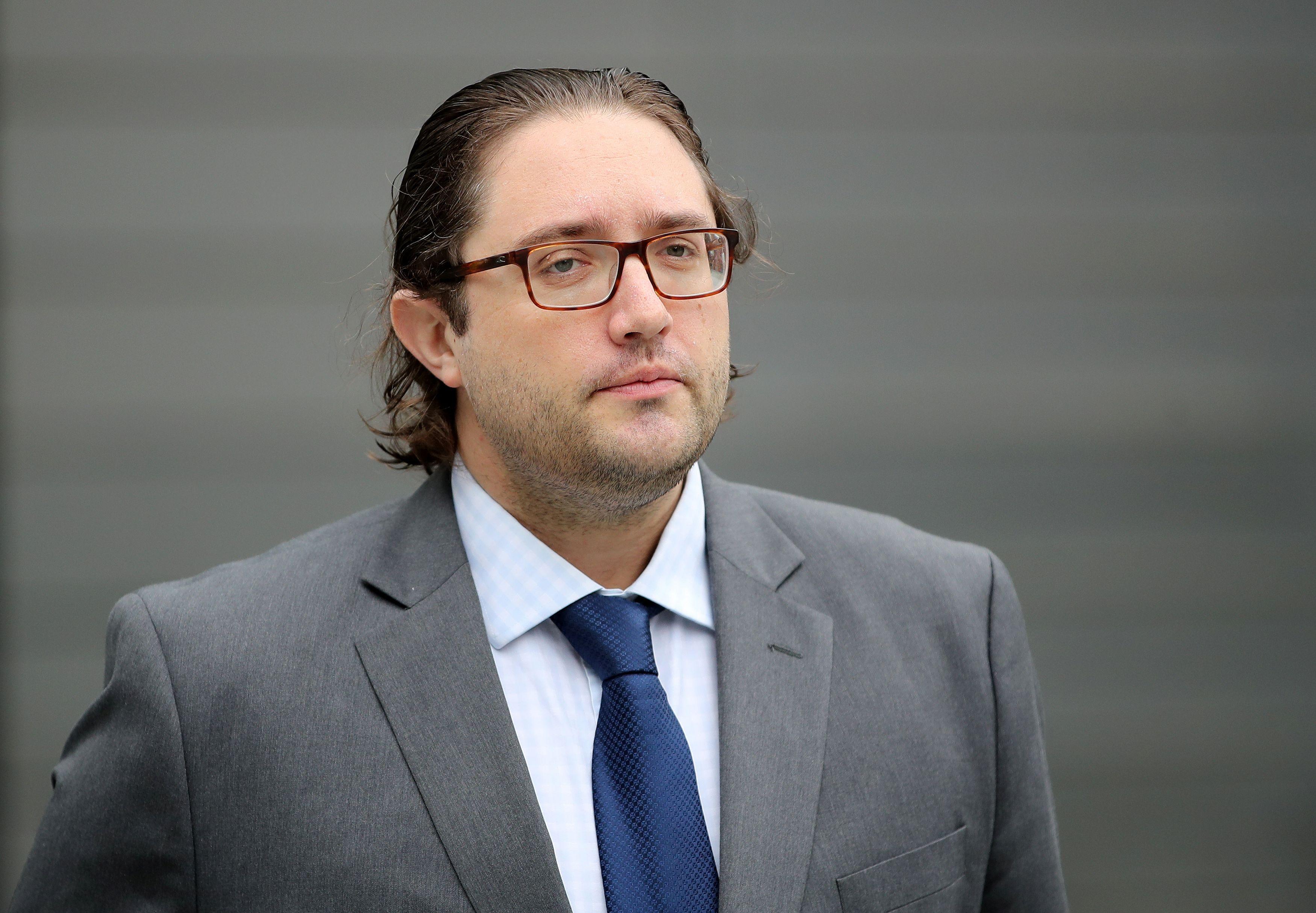
Goodhead was replaced as chief executive in 2025 following reported disagreements with Gramercy. Former chief operating officer Alicia Alinia assumed the leadership role, while a restructured board introduced additional financial and governance oversight.
He subsequently ceased to serve as a director and left the firm. Goodhead described the change as a boardroom coup and argued that tensions concerned the direction of litigation and the influence of financial backers.
The continued senior departures from Pogust Goodhead extended beyond its founder. Several partners and experienced lawyers involved in the BHP and Dieselgate proceedings resigned during the period of disruption.
Harris Pogust had already stepped down from his leadership position in late 2024. The departure of both founders represented a significant transformation for a practice whose identity had been closely associated with their names.
The firm later brought in Quinn Emanuel to help lead the compensation phase of the Mariana litigation. Dedicated financing of up to $150 million was also announced to provide resources for the next stage of the case.
Conclusion
Tom Goodhead’s career reflects both the possibilities and risks of rapidly expanding group litigation. He helped build a firm capable of challenging global corporations, but its dependence on borrowing created serious financial and governance pressure.
Pogust Goodhead must now prove that its new management can maintain stable teams, control expenditure, and preserve legal independence. Goodhead’s ultimate legacy will remain closely connected to the outcomes achieved for claimants in the firm’s largest cases.