Toughened glass splashbacks are a standard choice in modern kitchens due to their strength, safety, and durability. While many homeowners focus on colour or finish, understanding what toughened glass actually means is just as important. The toughening process directly affects how the glass performs under heat and impact, making it a critical feature in kitchen environments.
What Toughened Glass Actually Means
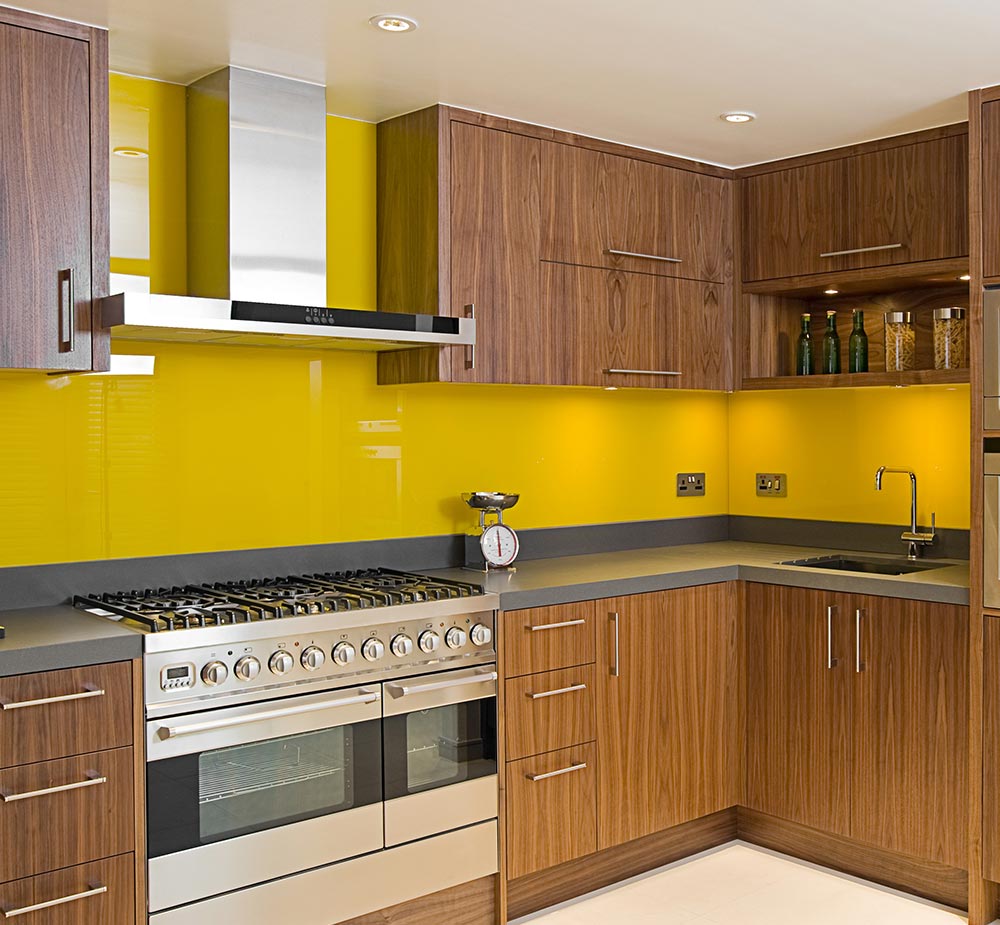
When selecting glass splashbacks, toughened glass refers to glass that has been heat treated to increase its strength compared to standard float glass. During manufacturing, the glass is heated to a high temperature and then rapidly cooled. This process creates internal tension that makes the glass significantly stronger and more resistant to thermal stress.
One of the most important safety benefits is how it breaks. If toughened glass is damaged, it shatters into small, blunt fragments rather than sharp, dangerous shards. This reduces the risk of serious injury, which is why toughened glass is required in many building applications, including kitchen splashbacks.
It is important to note that once glass has been toughened, it cannot be cut or altered. All measurements, cutouts for power points, and edge finishes must be finalized before the toughening process takes place.
Why Toughened Glass Matters In Kitchens

Kitchens expose surfaces to heat, steam, and occasional impact. Splashbacks installed behind cooktops are subject to temperature changes that ordinary glass may not withstand. Toughened glass is designed to handle these fluctuations without cracking under normal conditions.
This is especially important for areas behind gas or electric cooktops, where heat resistance is essential. Professional installers ensure that proper clearances are maintained according to appliance manufacturer guidelines to maximize safety.
In addition to heat resistance, toughened glass is more impact resistant. Accidental knocks from cookware, utensils, or cleaning equipment are less likely to cause breakage compared to standard glass.
Choosing toughened glass also helps meet safety and building compliance standards, which may require safety glass in specific zones within the kitchen.
Durability, Maintenance, And Long Term Performance

Toughened glass splashbacks are not only strong but also practical. Their smooth, non porous surface makes cleaning simple. Grease, food splashes, and condensation can be wiped away easily using a soft cloth and mild cleaner.
Because there are no grout lines, unlike tiled splashbacks, there is less risk of staining or buildup over time. The glass maintains its finish and clarity for years when properly installed and maintained.
However, care is still important. While toughened glass is strong, it can still break if struck sharply at the edges. Avoid hard impacts along corners or edges during installation and cleaning.
Conclusion
Toughened glass splashbacks combine safety, strength, and practicality, making them the preferred choice for modern kitchens. The toughening process increases resistance to heat and impact while ensuring safer breakage if damage occurs. By choosing properly manufactured and professionally installed toughened glass splashbacks, homeowners gain a durable, compliant, and stylish solution that performs reliably in everyday kitchen conditions.