Leak detection is a critical part of quality assurance for geomembrane lined systems, but the approach changes significantly as liner areas become larger. What works well on small ponds or cells is often insufficient for facilities covering tens or hundreds of thousands of square metres. As scale increases, risks multiply, testing complexity grows, and the consequences of missed defects become far more serious. Understanding how and why quality assurance methods must adapt is essential for effective liner performance.
Why large liner areas require different leak detection methods
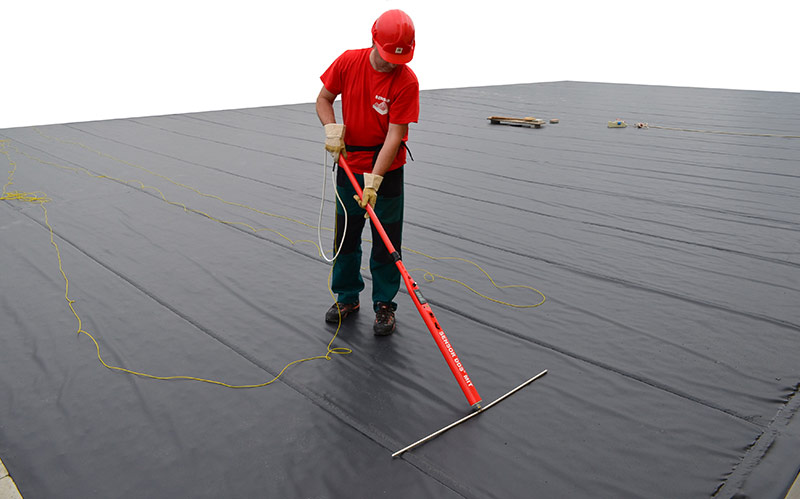
On large area liners, traditional inspection and spot testing are no longer reliable on their own. The sheer size of the installation increases the likelihood of defects caused by construction traffic, material handling, seaming volume, and environmental exposure. Even a small defect rate can translate into dozens of leaks across a large facility.
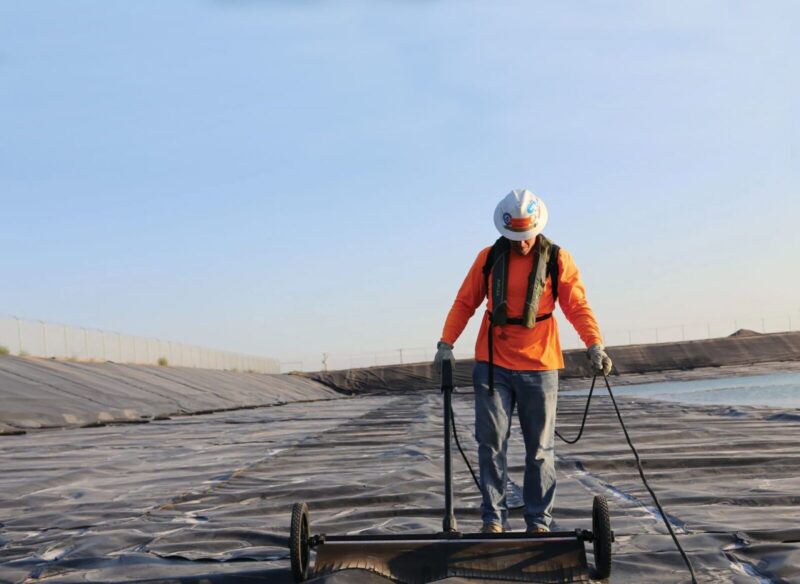
At this scale, electrical leak detection becomes a primary QA tool rather than a supplementary one. Methods such as dipole surveys are specifically suited to covered or extensive liner systems because they allow systematic scanning of the entire lined footprint. Project teams that want to discover more about di-pole testing often learn that it is one of the few techniques capable of locating leaks accurately once cover material has been placed.
Large sites also introduce variability in subgrade conditions, moisture content, and liner stress, all of which affect electrical testing behaviour. QA teams must account for these variables when designing test procedures, interpreting results, and defining acceptance criteria.
How scale impacts testing strategy and execution
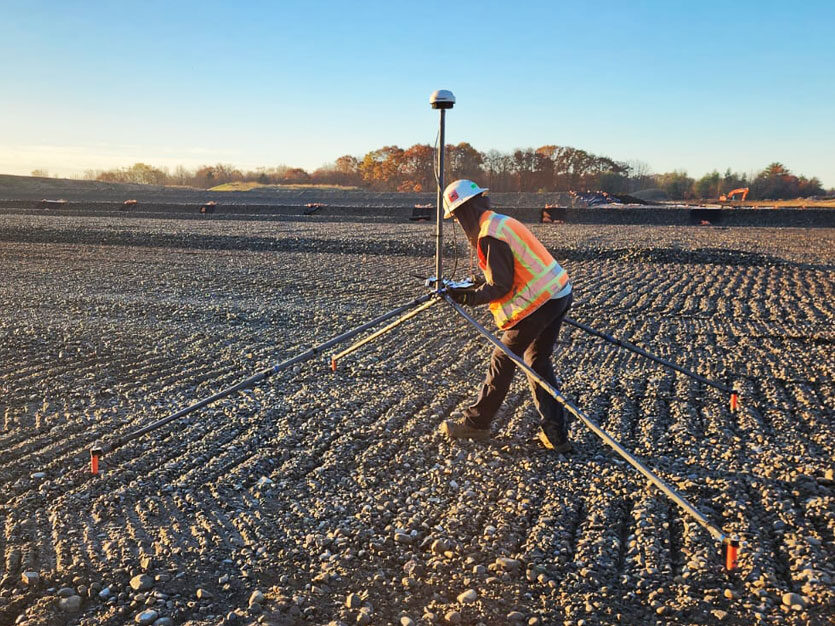
As liner area increases, testing strategy must become more structured and data driven. Instead of treating leak detection as a single activity, large projects typically break testing into zones or stages aligned with construction sequencing. This allows defects to be identified and repaired early, before additional layers make access more difficult.
Logistics also change. Large area testing requires careful coordination of test grids, electrode placement, survey coverage, and data recording. Test duration increases, and environmental conditions such as rainfall or drying periods can significantly affect results. Experienced QA teams plan testing windows carefully to ensure reliable readings and avoid false positives or missed defects.
Another key difference is documentation. On large projects, leak detection results must be traceable, repeatable, and defensible. Detailed maps, test logs, and repair records form part of the permanent QA record and are often required for regulatory approval and long term asset assurance.
Typical findings and risk reduction at scale
Leak detection on large liners often reveals patterns rather than isolated defects. Clusters of leaks may indicate procedural issues such as inadequate subgrade preparation, repeated equipment traffic paths, or inconsistent welding practices. Identifying these trends allows corrective actions to be applied across the project, not just at individual leak locations.
Early and comprehensive testing significantly reduces long term risk. Locating and repairing defects before commissioning prevents leakage, environmental harm, and costly remediation once the facility is operational. At scale, the cost of QA testing is small compared to the potential consequences of undetected liner failure.
Importantly, large area leak detection is not just about finding holes. It provides confidence that the liner system performs as a continuous barrier, which is the fundamental purpose of geomembranes in containment and environmental protection applications.
Conclusion
As liner systems increase in size, leak detection methods and QA strategies must evolve. Large area liners demand systematic electrical testing, careful planning, and experienced interpretation to manage the higher risk profile that comes with scale. By adapting QA approaches to suit project size and complexity, owners and operators can achieve reliable liner performance, regulatory confidence, and long term asset protection.